How ICU Setup at Home Improves Recovery and Patient Comfort
- healoxy6
- Nov 25, 2025
- 6 min read


Introduction to ICU Setup at Home
An ICU Setup at Home has evolved into a valuable alternative for patients who require continuous monitoring and specialized treatment but find hospital environments restrictive or overwhelming. As technology has progressed, bringing advanced medical equipment into a home setting has become both practical and reliable. This shift offers patients a personalized healing environment where they feel emotionally soothed and physically safe. Families now prefer this setup not just for its convenience but for the immense comfort and psychological peace it brings to the patient’s recovery journey.
Why Home-Based ICU Care Is Growing
Home-based ICU care is growing rapidly because of increasing awareness about patient-centered healing. Hospital ICUs, although medically superior, often create a sense of fear and discomfort due to constant noise, tight schedules, and limited family interaction. In contrast, home environments provide emotional warmth that plays a major role in boosting recovery. The global healthcare trend is shifting toward home care solutions since they offer better quality of life, reduced stress, and more meaningful family involvement.
What an ICU Setup at Home Typically Includes
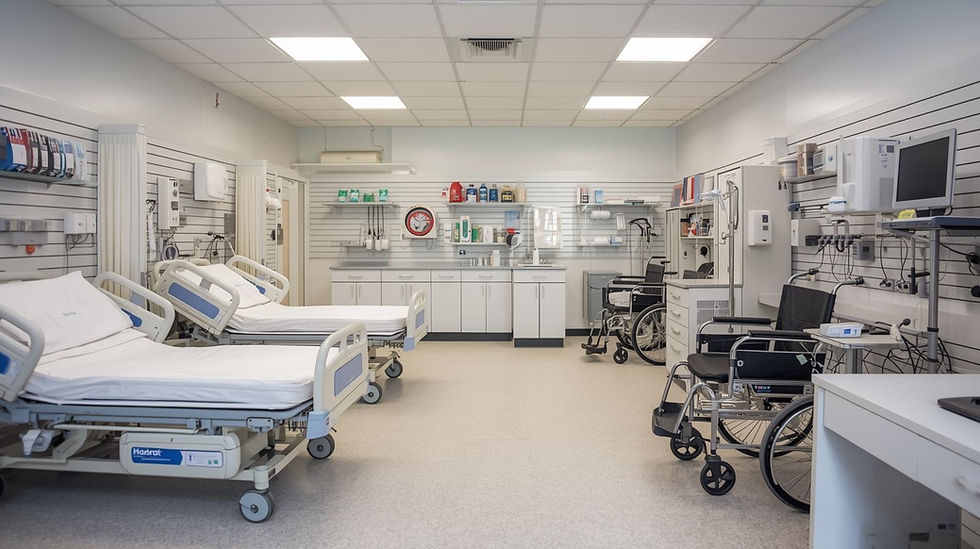
A home ICU setup is designed to replicate hospital-level care using portable and advanced machines such as ventilators, cardiac monitors, oxygen concentrators, defibrillators, syringes and infusion pumps, and suction apparatus. Beyond equipment, it includes a team of professionals—critical care nurses, doctors, respiratory therapists, and physiotherapists—who work in shifts to monitor the patient. This blend of technology and human expertise ensures continuous medical supervision while preserving the peaceful atmosphere of home.
Benefits of ICU Setup at Home
The Best ICU Setup at Home provides significant advantages that directly contribute to a patient’s physical, emotional, and psychological improvement.
Enhanced Patient Comfort
Comfort is one of the biggest reasons why home ICU setups are preferred today. Hospitals can feel cold, intimidating, and emotionally draining, especially during long-term stays. At home, patients can rest in their own beds, enjoy familiar surroundings, and stay near loved ones. This emotional support naturally reduces stress and encourages a more positive mindset—something that medical research strongly links to faster healing and stable vital parameters.
Reduced Risk of Hospital-Acquired Infections
Hospital-acquired infections are a genuine concern, especially for patients with compromised immunity. Home ICU environments reduce exposure to pathogens commonly found in hospitals due to better hygiene control and fewer people entering the patient’s surroundings. With proper sanitization at home, the risk of infection decreases drastically, helping patients regain strength without unnecessary complications.
Personalized Medical Care
Unlike hospital ICUs where nurses manage multiple patients, home ICU care provides one-on-one attention. This level of personalized care ensures that every symptom, every slight improvement, and every discomfort is immediately noticed and addressed. Personalized care enhances trust, improves treatment outcomes, and creates a monitoring system that is both detailed and compassionate.
Emotional and Psychological Well-Being
Being surrounded by family, listening to familiar voices, and experiencing daily routines can work wonders for patients recovering from major health challenges. Emotional well-being plays a huge role in recovery, and home ICU setups support this by keeping stress levels low. Patients feel more hopeful, active, and engaged when they are not isolated like in hospital ICUs.
Cost-Effectiveness Compared to Long Hospital Stays
Hospital ICU charges can become overwhelming, especially for long-term treatment. A home ICU setup can significantly reduce costs while ensuring the same level of medical support. Families spend less on hospital fees, travel costs, and other additional expenses. This financial relief allows them to focus more on the patient’s recovery instead of worrying about growing bills.
Key Components of the Best ICU Setup at Home
Advanced Monitoring Equipment
To ensure hospital-level care, home ICUs come equipped with advanced medical devices such as multiparameter monitors, ventilators, infusion pumps, and oxygen systems. These machines track vital signs like heart rate, blood pressure, oxygen levels, and respiratory patterns continuously. The accuracy of modern portable ICU equipment makes at-home treatment just as safe as hospital care.
Skilled Medical Professionals
Qualified critical care nurses and doctors play the most important role in home ICU care. These professionals are trained to manage emergencies, operate advanced equipment, and provide round-the-clock supervision. Their expertise ensures that the patient receives the highest standard of care without stepping into a hospital environment.
Emergency Support Systems
Home ICU setups also include emergency protocols and backup devices to ensure safety during unexpected situations. Emergency support teams are on standby to respond immediately if the patient’s condition changes. This quick-response system provides families with reassurance that help is always available.
Family Involvement and Training
An added advantage of home ICU care is family participation. Family members learn basic skills such as operating simple equipment, maintaining hygiene, and assisting with patient movement. This involvement strengthens emotional bonding and boosts the patient’s morale, making recovery smoother and more meaningful.
How ICU Setup at Home Improves Recovery
A Top ICU Setup at Home creates an environment that encourages natural healing.
Faster Healing in Familiar Environments
A warm and familiar environment helps patients relax mentally, which contributes to faster physical healing. Hospitals often create anxiety due to their unfamiliar routines and strict rules. At home, patients experience normal daily rhythms, which help stabilize their emotional state and support steady improvement.
Better Sleep and Reduced Stress
Rest is vital for recovery, and hospitals can be loud and busy, disrupting sleep frequently. Home ICU setups allow patients to sleep without interruptions, which helps the body repair tissues, balance hormones, and maintain immunity. Reduced stress levels help stabilize vital signs and speed up recovery.
Continuity of Care and Personalized Attention
Home ICU providers follow consistent routines tailored specifically for each patient. This personalized approach makes treatment more effective, and patients receive more detailed attention than they would in crowded hospitals.
Choosing the Top ICU Setup at Home Service
What to Look for in a Home ICU Provider
Families should evaluate the provider’s experience, availability of advanced equipment, qualifications of medical staff, and the ability to manage emergencies. Transparent pricing and access to 24/7 support also indicate a trustworthy service provider committed to patient well-being.
Practical Example of a Successful Home ICU Case
Many patients who struggled in hospital ICUs improved remarkably after shifting to home care. For instance, individuals recovering from chronic respiratory conditions or post-surgery complications often regained their strength faster at home because of reduced stress and greater emotional support. Their appetite improves, sleep becomes more natural, and overall health stabilizes quickly.
Role of Companies Like Healoxy Private Limited
Service providers such as Healoxy Private Limited offer comprehensive home ICU services with high-quality equipment and trained professionals. Their careful treatment planning and continuous monitoring help families feel secure and ensure patients receive the best possible care in the comfort of home.
Safety Measures and Quality Standards
Infection Control at Home
Proper cleaning, sanitization, and use of sterile medical supplies create a safe environment for vulnerable patients. Trained staff guide families on hygiene practices, ensuring that every surface and tool remains safe for daily use.
Regular Equipment Maintenance
To prevent technical issues, all machines undergo regular maintenance and inspection. This ensures every device functions smoothly and accurately, supporting the patient’s recovery without any interruption.
24/7 Monitoring and Emergency Response
Continuous monitoring is crucial for ICU patients. Professionals track vital signs and coordinate emergency responses when required, making the home setup efficient and reliable even during critical moments.
When ICU Setup at Home Is Recommended
Home ICU care is recommended for patients recovering from major surgeries, stroke, respiratory failure, neurological disorders, cancer, and chronic illnesses requiring ongoing support. However, patients needing complex surgical interventions or extremely unstable individuals may still require hospital ICU services for safety reasons.
Tips to Maintain a Safe Home ICU Environment
Preparing an ICU room involves ensuring proper ventilation, maintaining cleanliness, and arranging equipment for easy access. Family members must stay coordinated with doctors and nurses to avoid confusion. A calm, quiet, and emotionally supportive environment helps patients feel secure and relaxed.
Conclusion
An ICU Setup at Home provides an ideal blend of advanced medical support and emotional comfort, making recovery more effective and humane. It reduces stress, prevents infections, allows personalized care, and helps patients heal in a familiar environment. With professional home ICU providers and proper safety protocols, families can ensure their loved ones receive exceptional care while staying close to home and heart.
FAQs
1. Is an ICU setup at home as safe as a hospital ICU? Yes, with proper equipment and trained medical staff, home ICU setups offer the same safety and monitoring as hospitals.
2. Can ventilator-dependent patients stay at home? Yes, modern portable ventilators make home ventilation safe and effective under professional supervision.
3. How much space is required for a home ICU setup? A clean, quiet room with enough space for equipment and staff movement is typically sufficient.
4. How long can someone stay in a home ICU setup? Patients can remain in a home ICU for weeks or months based on their medical needs and doctor recommendations.
5. Is home ICU care expensive? It is usually more affordable than long-term hospital ICU stays and provides more value through personalized care.


Comments